
Lower energy bills
Bulk insulation reduces heat transfer through ceilings, walls and floors, so your heater and air conditioner run less often. Most Alphington homeowners notice the difference in their next power bill.
Alphington
Bulk insulation traps still air to slow heat flow through your home. In Alphington’s older weatherboard and brick homes, it cuts winter heat loss through ceilings and stops summer heat gain through walls and floors.
Share your details and Expert Insulation Melbourne will contact you about Bulk Insulation in Alphington.
Bulk insulation uses materials like glasswool, polyester or rockwool batts to resist heat flow. In Alphington, it is most often installed in ceiling spaces between joists, inside wall cavities during renovations, or under suspended timber floors. The batts are cut to fit snugly without gaps, and the R-value you choose determines how well they resist heat transfer.
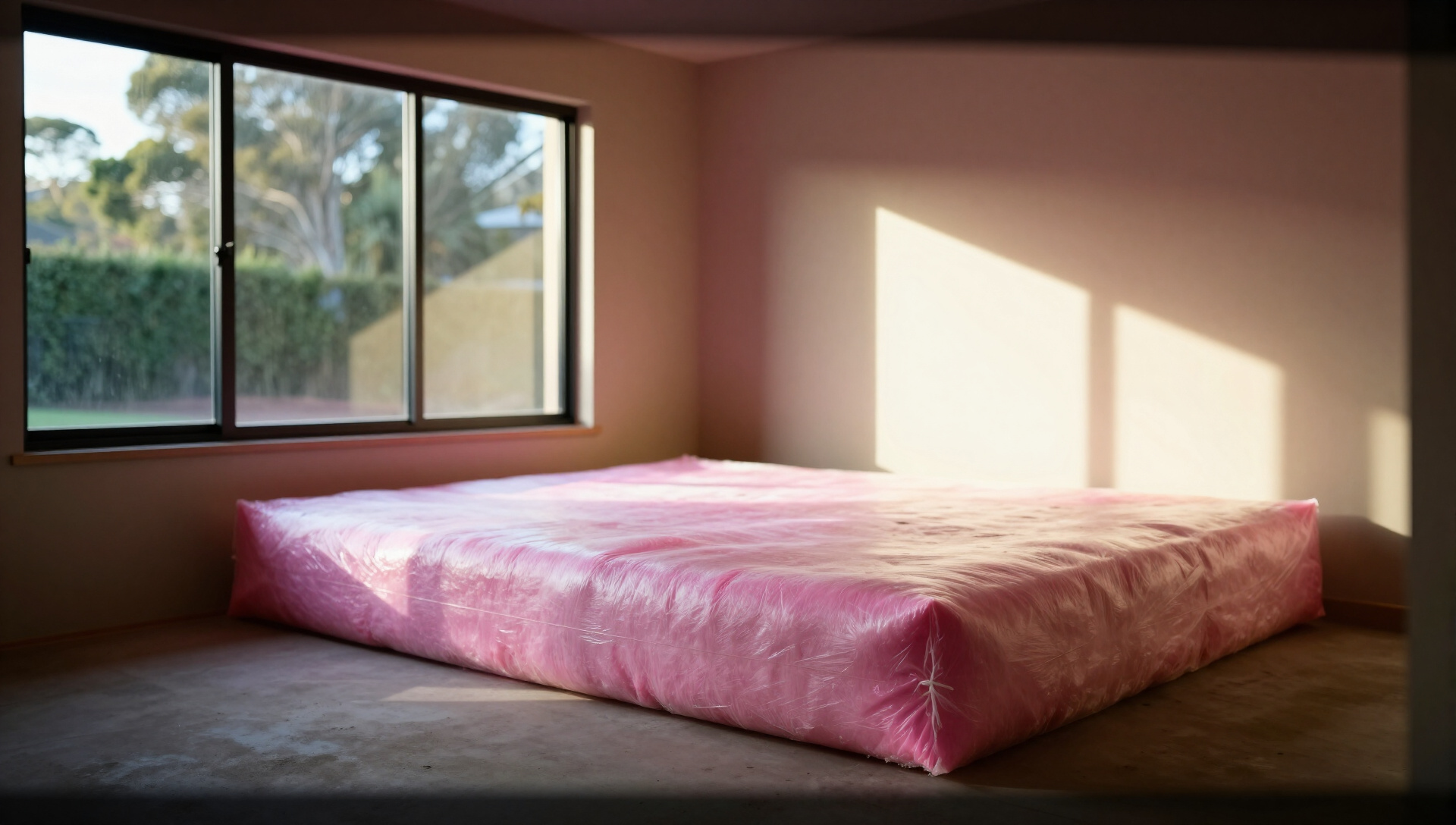
Alphington’s mix of weatherboard, brick veneer and double brick homes often lack sufficient insulation. Bulk batts address the main paths of heat loss and gain, improving comfort and reducing reliance on heating and cooling.
Bulk insulation reduces heat transfer through ceilings, walls and floors, so your heater and air conditioner run less often. Most Alphington homeowners notice the difference in their next power bill.
Batts slow the movement of heat, keeping warmth inside during cold winters and blocking hot air in summer. Rooms stay at a steadier temperature day and night.
Properly fitted batts also block air leakage through gaps in the building envelope. They absorb sound as well, making interiors quieter from outside noise.
Glasswool, polyester and rockwool do not settle or degrade over time if installed correctly. They maintain their R-value and thermal resistance for the life of the home.
Glasswool and rockwool batts are non-combustible, adding a layer of fire resistance to your walls and ceiling spaces.
Polyester batts are hydrophobic and will not absorb moisture, making them a good choice for damp subfloors or areas prone to condensation.
Installing bulk insulation in Alphington starts with an inspection of your roof space, wall cavities or subfloor. The process varies by location, but the goal is always a complete, gap-free fit that achieves the chosen R-value.
We check the roof space for safe access, existing batts and any obstacles like cables or downlights. For walls, we confirm the stud framing is exposed. Underfloor work requires adequate crawl space between bearers and stumps.
Batts are measured to fit snugly between ceiling joists, wall studs or floor joists. They are cut slightly wider than the cavity so they stay in place without sagging or leaving gaps that reduce performance.
Batts are laid or fitted without compressing, which lowers the R-value. We maintain required clearances around downlights, flues and electrical cables. Old compressed or damaged batts are removed first if needed.
After installation, we check for any remaining gaps around edges, pipes or wiring and seal them. For wall insulation, linings are then fixed over the studs to complete the job.
Alphington has many older weatherboard and brick homes that were built with little or no insulation. These houses lose heat rapidly through uninsulated ceilings in winter and gain heat through walls and roofs in summer. Bulk insulation addresses this by adding thermal resistance where it is needed most. Nearby Fairfield and Ivanhoe share similar housing stock and climate challenges, making insulation a worthwhile upgrade across the area.
We install glasswool, polyester and rockwool batts in Alphington ceilings, walls and floors to cut energy costs and improve comfort.
Homeowners in Alphington often ask about the best R-value for their home, whether existing batts can be topped up, and how long installation takes. Here are the answers.
Bulk insulation in Alphington slows the transfer of heat through your home’s structure. In winter, it reduces the loss of warm air through the ceiling, which is the main path of heat escape in most houses. In summer, it blocks radiant heat from the roof space entering living areas. This reduces the workload on heaters and air conditioners, lowering energy bills year-round.
For ceilings, common R-values range from R4.0 to R6.0 in Melbourne’s climate. Walls typically use R2.0 to R2.7 batts, while underfloor insulation is often R1.5 to R2.5. The right R-value depends on your budget, the size of your home and how much you rely on heating and cooling. Higher R-values provide better thermal resistance but cost more upfront.
Alphington’s older homes often have thin or compressed batts that no longer perform. Topping up or replacing them restores the intended R-value. If old insulation is wet, mouldy or damaged by rodents, it should be removed before new batts are installed. Access can be an issue in homes with low roof pitches or limited subfloor clearance, which may affect the cost and feasibility of the job.
Call Expert Insulation Melbourne on 0399695249 or email info@expertinsulationmelbourne. com. au to discuss bulk insulation for your Alphington home.